Grow Your Village Part 1: What Michigan Parents Should Know About Child Behavior
Today we are joined by Stephanie Powell, a child behaviorist who specializes in working with parents to address their child’s behaviors and support the family. This is the beginning of a new series I wanted to start that focuses on growing our village. Many of us have heard the term “village” when we became parents and many struggle with finding their village. I want us to begin seeing a village as being anyone who can walk alongside you throughout your parenting journey and offer support or help lighten the load you carry. I hope you enjoy our interview!
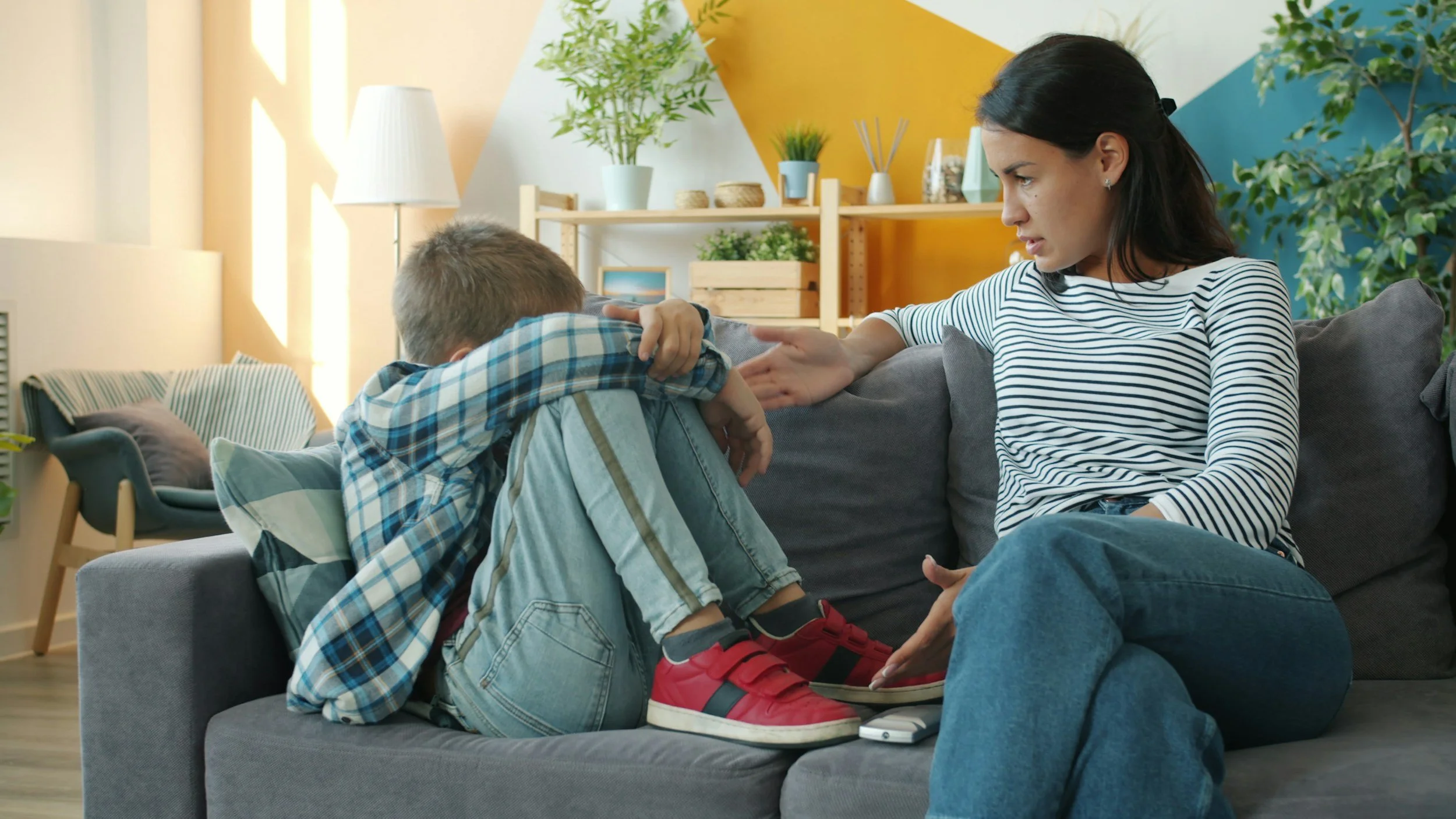
Can you share what the differences between a child behaviorist and a child mental health therapist are?
At the very start, my focus is on working with the parents. Many other interventions focus their attention on working with the child directly. For a lot of parents this can feel like a different approach, but it is one I chose after years of working directly with children and seeing an important gap that interfered with successful changes.
Therapies for children are exceptionally important. What happens a lot however is that I see children unable to translate what they've learned in office to the situations they face every day. Without hands on, experiential, in the moment learning, the tools kids learn in office, stay in office instead of growing into practiced, changed behaviors. Parents are also the ones advocating and making everyday choices for their children. So I believe it’s important to help parents decipher what is developmentally appropriate, what needs support, and where to go for that support.
When would you encourage parents to seek out child behavioral help and how could this service benefit parents?
Anytime you identify an area in your home life that you feel stuck within. I see a lot of frustrated parents daily. Something is really getting in the way of family health and happiness, but they don't believe that things could be better. All parents, even the best of the best, need new inspiration from time to time. We're growing humans! That should give us pause, and yet we often push forward without support. There is a lot of guilt, shame, and frustration in parenting. Our kids are the most important and special thing we have. Being willing to expand our village can mean healthier homes. Parenting doesn’t have to be so overwhelmingly hard.What are some of the most common misconceptions about behavioral support?
That difficult child behaviors are the parent's fault. Conversely, I believe that all children, every single one of them, will throw difficult behaviors that all parents will struggle to know how to support. It's developmental and normal as they grow.
Secondly, many parents worry that I will push one way or for the “right way” to parent. That doesn’t exist. Parenting has many shapes and sizes, and I am thankful for all of them. They build the many shapes and sizes of humans that our world needs. My job is to support YOUR parenting style; NOT turn you into the parent I think you should be.What are ways parents can tell the difference between "normal phases" and when their child might need more support?
Be honest and ask. I love the “parent gut.” It tells us so much good information about children and it’s often extremely wise. At the exact same time, we get used to things or put up with things. We shame ourselves for not following through or downplay what we’re feeling. I have spent years and years with hundreds of children. I and my team can help you figure out how serious to take something. It’s what we’re here for. If something is causing you a lot of mental energy, if unhappiness is building, check-it out. So many parents sit across from me, and they have finally found the courage to put words to what they are facing. I see relief. I have one Mom whose husband sends her to me, and she says the sessions are generally just for her. It feels like a friend in her corner, validating the hard parts, and helping her come up with new ideas she’s proud of.
Children are constantly learning new things. Each phase has a challenge. Some kids pass through the challenge well, sometimes they get stuck. Developmental phases are usually about 6 months to a year long. If you don’t feel like what you’re trying is making a difference, or symptoms are getting worse, double check. I offer free 15-minute calls and can help you figure out whether it’s something worth pursuing.What are some of the most common behavioral concerns you see parents come to you for help with?
Issues with school, ADHD, and deeply feeling children with big emotions or tantrums. I also see a lot toddlers and preschool aged kiddos. This is one of the most crucial and difficult parenting spaces.Could you share what small changes at home can be done to make a big difference in a child's behavior?
Shift from a problem mindset to a teaching mindset. Problems can suggest dead ends or further frustration. We can be tempted to feel like a failure and our kids cannot carry that. A child’s character is never set in stone. Teaching starts with a reality that good behavior is something that is learned. Our kids will mess up. It’s a part of developing. If a child is struggling, it’s because they have a skill lag. Skill lags can always be taught. Practice, failure, and trying again is always a part of learning.What are some things that you wish every parent knew about child behavior?
Behavior is not a diagnosis. Lazy behaviors do not mean a child is lazy and they always will be. Behavior is a symptom and a manifestation of something deeper. When we seek it out and scaffold learning, our children move forward proud of who they are, instead of stuck and frustrated.Share with us who you are, how you started this work, and any other helpful information we should know!
I hold a bachelor’s and master’s degree in social work. I was also certified as a Child Behavior Specialist and spent specific time in attachment, crisis, and trauma training. My work has always been with children and families from small everyday issues to big ones where children are facing juvenile hall. I’ve worked in medical, educational, foster care, and residential systems. Every day is a new opportunity to learn from the families that trust me with their stories. My knowledge base has been largely shaped by hands-on experience and a deliberate effort to immerse myself in diverse settings to gain training, wisdom, and practical insight.
I want families to feel empowered, confident, informed and equipped with practical tools they can rely on, rather than constantly searching for limited resources. When support depends on navigating systems, it can leave parents feeling stuck, as though they must push or persuade others to access what their family needs. My goal is to shift that dynamic by building capable, knowledgeable families who feel prepared to navigate whatever challenges their children bring their way.How can interested parents connect with you?
Shoot me an email or give me a call during business hours, anytime you like. If I’m available, I’ll answer. Or if you want to make sure you reach me, you can schedule a 15-minute free discovery call through my website. My website has all the information you’ll need to get in touch.
If you are interested in working with Stephanie or learning more please check out her website at www.childinsight.org
Thank you Stephanie for your insight and taking the time to help us grow our village!